
Overview of “The Secret Life of Bees”
Sue Monk Kidd’s debut novel, published in 2002, quickly became a bestseller, resonating with readers through its exploration of love, loss, and female connections.
Publication and Author Information
Sue Monk Kidd, born August 12, 1948, is an American novelist renowned for her emotionally resonant and character-driven narratives. The Secret Life of Bees, her debut novel, was first published in January 2002 by Viking Penguin. The book swiftly gained recognition, spending over a hundred weeks on the New York Times bestseller list and selling over six million copies domestically.
Kidd’s skillful storytelling and exploration of complex themes propelled the novel to international acclaim, with translations into numerous languages. Prior to becoming a novelist, Kidd worked as a university lecturer and freelance writer. Her subsequent novels, including The Invention of Wings and The Book of Longings, further solidified her position as a celebrated author.
Synopsis of the Plot
The Secret Life of Bees unfolds in 1964 South Carolina, centering on fourteen-year-old Lily Owens, haunted by the accidental death of her mother. Living with her abusive father, T. Ray, Lily yearns to uncover the truth about her mother’s past. Following a pivotal incident involving her caretaker, Rosaleen, Lily flees to Tiburon, South Carolina, guided by a photograph of a Black Madonna.
There, she finds refuge with the Boatwright sisters – August, June, and May – beekeepers who offer her a unique and nurturing home. As Lily immerses herself in their world, she learns about beekeeping, spirituality, and the power of female bonds, ultimately confronting her past and discovering a path towards healing and self-discovery.
Characters in Detail
Kidd masterfully crafts a cast of compelling characters, each grappling with personal histories and societal pressures within the backdrop of the Civil Rights era.
Lily Owens: A Deep Dive
Lily Owens, the novel’s protagonist, is a fourteen-year-old girl haunted by the accidental death of her mother, a trauma she believes she caused. Living with her abusive father, T. Ray, she yearns for a connection to her mother’s past and seeks solace in fragmented memories.
Driven by a desire to understand her mother, Lily embarks on a journey with Rosaleen to Tiburon, South Carolina, guided by a picture found amongst her mother’s belongings. She’s a complex character, burdened by guilt and longing, yet resilient and determined to uncover the truth about her origins. Lily’s growth throughout the novel centers on finding acceptance, forgiveness, and a sense of belonging within the nurturing environment of the Boatwright sisters.
Rosaleen Daise: Her Role and Significance
Rosaleen functions as a maternal figure for Lily, offering her protection, unwavering loyalty, and a much-needed sense of stability. A Black woman working as the Owens family’s housekeeper, Rosaleen endures racial prejudice and abuse with quiet dignity. Her courageous act of defiance – registering to vote and subsequently facing violent repercussions – catalyzes Lily’s journey to Tiburon.
Rosaleen’s strength and resilience are pivotal to Lily’s emotional growth. She represents a powerful example of enduring hardship and maintaining hope. Through their shared experiences, a deep and profound bond forms between them, transcending racial boundaries and offering both women a path towards healing and self-discovery.
August Boatwright: The Matriarch
August embodies wisdom, strength, and spiritual grounding as the beekeeper and central figure in the Boatwright household; She provides Lily and Rosaleen with sanctuary and guidance, fostering an environment of acceptance and female empowerment. August’s deep connection to the natural world, particularly her bees, symbolizes her understanding of life’s cycles and the interconnectedness of all things.
She serves as a surrogate mother to Lily, patiently unraveling the mysteries of her past and helping her confront her grief. August’s calm demeanor and profound insights offer Lily a safe space to explore her identity and discover the truth about her mother.
June and May Boatwright: Supporting Roles
June and May, August’s sisters, initially present a reserved and somewhat critical demeanor towards Lily and Rosaleen, reflecting their cautious nature and past hurts. They are deeply devoted to their religious practices, specifically honoring the Black Madonna, and maintain a strict household routine. However, as Lily and Rosaleen become integrated into their lives, the sisters gradually soften, revealing their own vulnerabilities and offering quiet support.
Their presence highlights the complexities of sisterhood and the challenges of opening one’s heart to outsiders, ultimately contributing to the novel’s exploration of female bonds and healing.
Themes Explored in the Novel
Kidd’s novel profoundly examines mother-daughter relationships, racial injustice during the Civil Rights era, female empowerment, and the transformative power of forgiveness and healing.
Mother-Daughter Relationships
Central to “The Secret Life of Bees” is the complex exploration of mother-daughter bonds, particularly Lily Owens’ yearning for a maternal figure. Haunted by the accidental death of her mother, Lily grapples with fragmented memories and a deep-seated need for understanding and love.
The novel contrasts Lily’s experience with the nurturing relationships she observes within the Boatwright household, specifically August’s role as a mother figure to May and June. These dynamics highlight the diverse ways mothers can shape their daughters’ lives, offering guidance, support, and a sense of belonging.
Ultimately, the story suggests that motherhood extends beyond biological ties, encompassing the women who provide solace, wisdom, and unconditional acceptance, fostering healing and self-discovery.
Racial Injustice and the Civil Rights Movement
Set in 1964 South Carolina, “The Secret Life of Bees” vividly portrays the pervasive racial injustice of the Civil Rights era. The novel doesn’t shy away from depicting the discrimination and prejudice faced by African Americans, particularly through Rosaleen’s experiences with voter registration and systemic oppression.
The Boatwright sisters’ home serves as a sanctuary, a space where Black women find solace and strength amidst societal turmoil. The narrative subtly highlights the courage and resilience of those fighting for equality, showcasing the risks they undertook to challenge the status quo.
Through Lily’s evolving perspective, the novel encourages readers to confront uncomfortable truths about racial bias and the importance of empathy and understanding.
Female Empowerment and Sisterhood
“The Secret Life of Bees” powerfully celebrates the strength and resilience of women, portraying a world where female bonds offer healing and empowerment. The Boatwright sisters – August, June, and May – create a nurturing community, providing Lily with the maternal guidance she desperately craves.
This unconventional family challenges traditional societal expectations, demonstrating the power of women supporting women. The novel explores themes of self-discovery and independence, as Lily learns to navigate her own identity within this supportive network.
The Daughters of Mary, a unique religious group, further emphasizes the divine feminine and the importance of female spirituality.
Healing and Forgiveness
“The Secret Life of Bees” deeply explores the arduous journey towards emotional healing and the transformative power of forgiveness. Lily Owens carries the immense guilt surrounding her mother’s death, a burden that shapes her actions and perceptions.
Through her experiences with the Boatwright sisters and the Daughters of Mary, Lily begins to confront her past and unravel the truth about her mother. The novel suggests that true healing requires acknowledging pain, accepting imperfections, and extending forgiveness – both to others and to oneself.
Ultimately, Lily finds solace and liberation through embracing compassion and letting go of resentment.
Symbolism and Motifs
Kidd masterfully employs symbolism, notably bees representing a nurturing female community, and honey signifying sweetness, healing, and the complexities of life’s experiences.
Bees as a Central Symbol
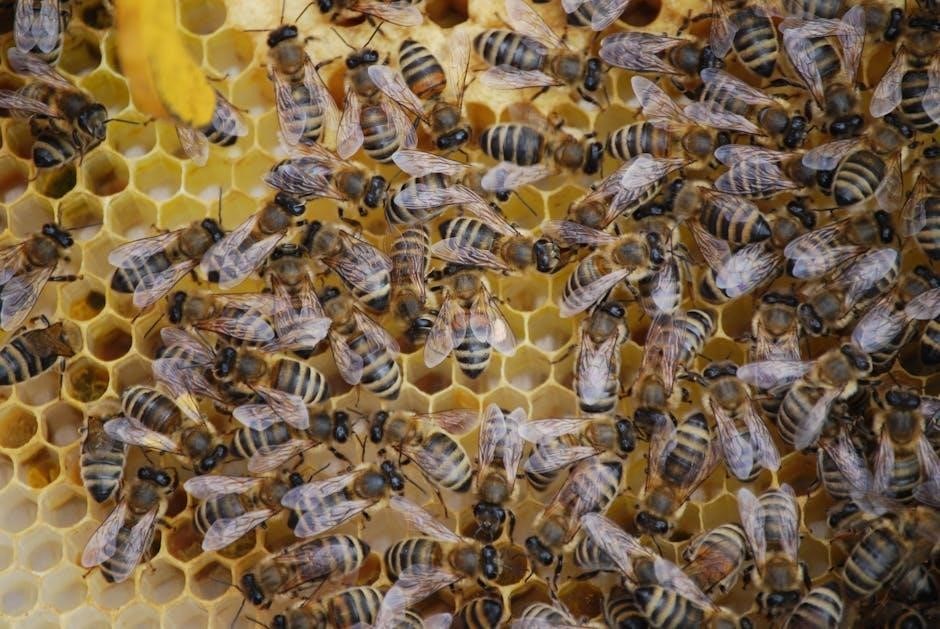
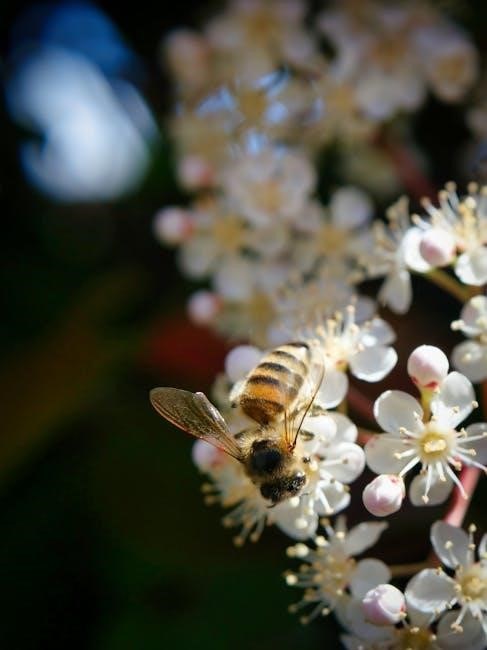
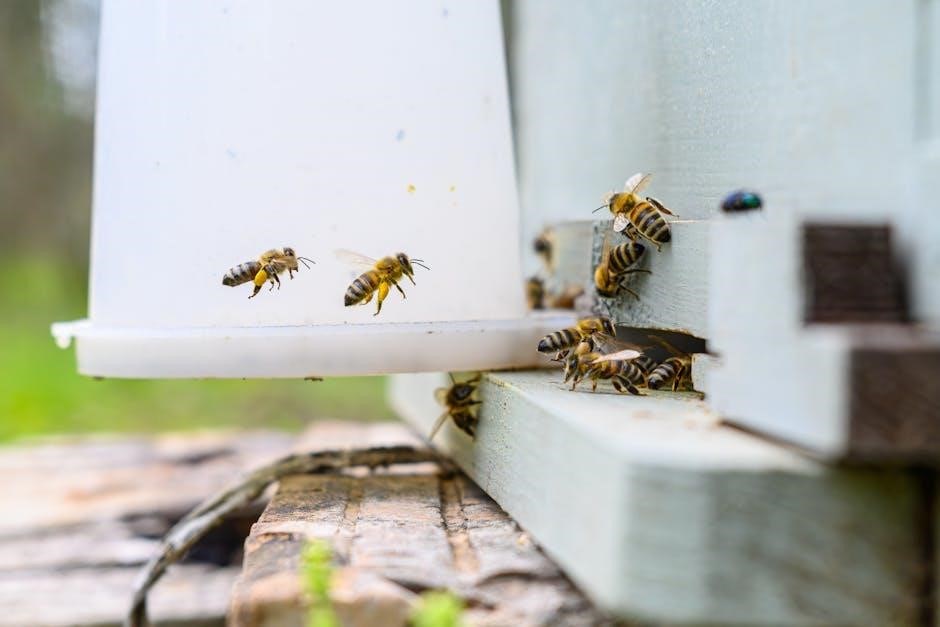
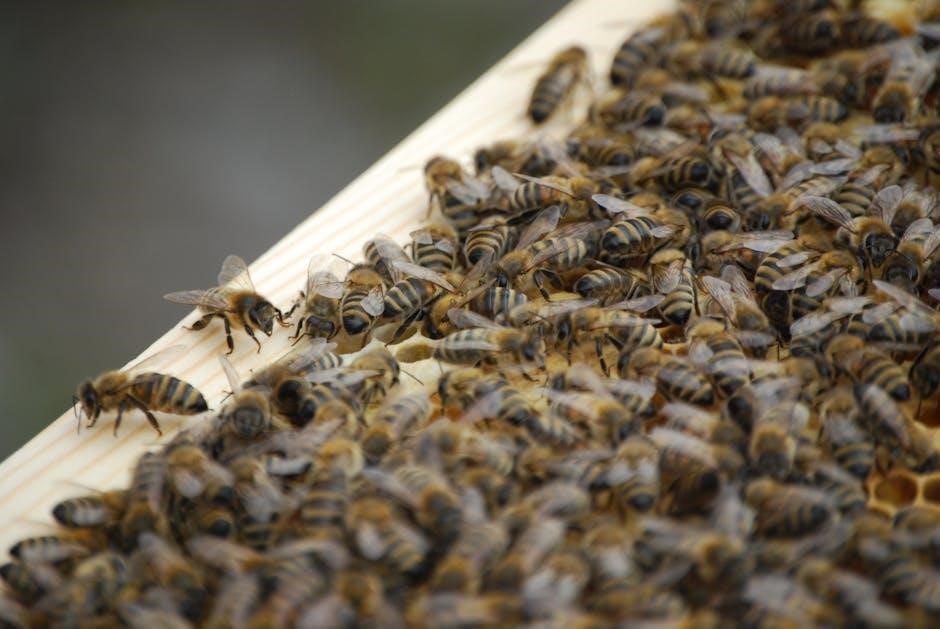
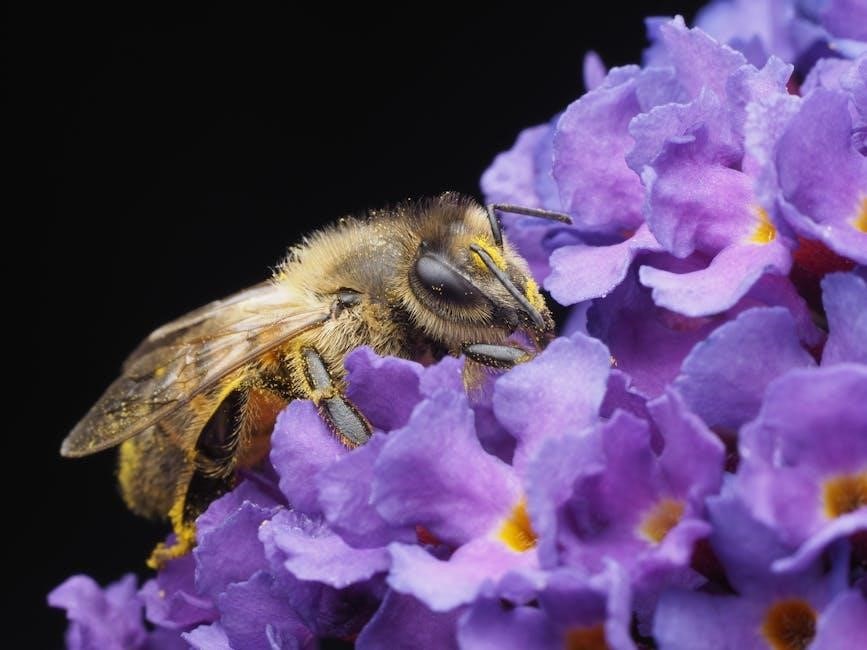
Throughout “The Secret Life of Bees,” bees transcend their natural role, becoming a powerful and multifaceted symbol deeply interwoven with the novel’s core themes. They represent the collective female strength and the nurturing, collaborative spirit of the Boatwright sisters and their community.
Lily’s fascination with bees stems from her desire to understand her mother, whose life was intimately connected to beekeeping. The hive itself mirrors the complex social structures and interconnectedness of human relationships, particularly those between women.
Bees also symbolize transformation and rebirth, mirroring Lily’s own journey of healing and self-discovery. Their ability to create something sweet and sustaining from seemingly disparate elements—nectar—parallels the novel’s exploration of finding beauty and resilience amidst pain and loss.
The Black Madonna
The Black Madonna statue, housed within the Boatwright sisters’ home, serves as a potent symbol of female divinity and spiritual empowerment within “The Secret Life of Bees.” This unconventional religious icon represents a departure from traditional patriarchal structures, offering a space for women to connect with a nurturing and inclusive form of spirituality.
For the Boatwrights and their Daughters of Mary community, the Black Madonna embodies a goddess figure who understands and validates the experiences of Black women, offering solace and strength in a society marked by racial and gender inequality.
Lily’s interactions with the statue facilitate her own spiritual awakening and acceptance, allowing her to confront her past traumas and embrace a more hopeful future.
Honey and its Significance
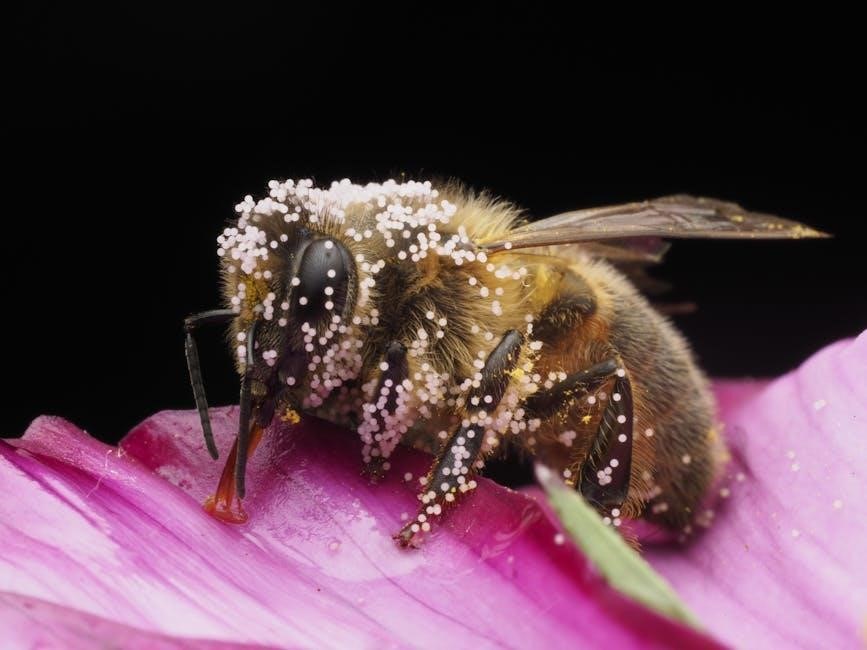
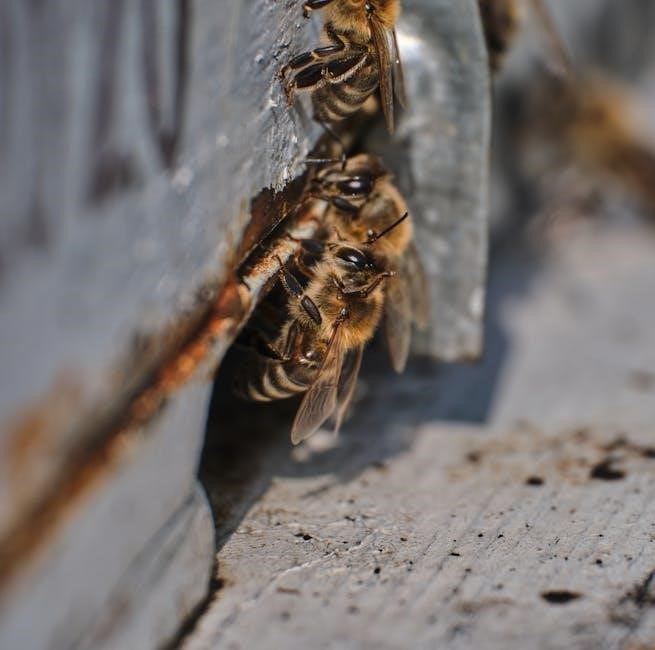
Throughout “The Secret Life of Bees,” honey functions as a multifaceted symbol representing sweetness, healing, and the interconnectedness of life. The Boatwright sisters’ beekeeping business isn’t merely a livelihood; it’s a spiritual practice deeply rooted in reverence for the natural world and the power of female collaboration.
Just as bees work harmoniously to create honey, the women in the novel find strength and resilience through their collective efforts and shared experiences. Honey also embodies the painful sweetness of memory, reminding Lily of her mother and the complexities of the past.
The process of making honey mirrors Lily’s own journey of self-discovery and healing.
Historical Context
Set in 1964 South Carolina, the novel vividly portrays the tumultuous era of the Civil Rights Movement, impacting characters and shaping the narrative’s core.
South Carolina in 1964
In 1964, South Carolina was deeply entrenched in the struggles of the Civil Rights Movement. Racial segregation was still legally enforced, creating a society marked by profound inequality and injustice. The state witnessed significant activism, protests, and resistance against discriminatory practices. This backdrop of social and political upheaval profoundly influenced the lives of its residents, particularly African Americans who faced systemic oppression.
The atmosphere was charged with tension, as communities grappled with issues of desegregation, voting rights, and equal opportunities. Rural areas, like those depicted in the novel, often experienced a slower pace of change, yet were still impacted by the broader national movement. This historical context is crucial for understanding the challenges and complexities faced by the characters in “The Secret Life of Bees,” and the risks they undertook.
The Civil Rights Era and its Impact
The Civil Rights Era (roughly 1954-1968) fundamentally reshaped American society, challenging deeply ingrained systems of racial segregation and discrimination. Landmark legislation, such as the Civil Rights Act of 1964, aimed to dismantle legal barriers and ensure equal rights for all citizens, though implementation faced significant resistance. This period witnessed courageous activism, including sit-ins, marches, and boycotts, demanding social and political change.
“The Secret Life of Bees” is inextricably linked to this era, portraying the anxieties, hopes, and struggles of individuals navigating a racially divided South. The novel highlights the impact of segregation on personal relationships and the courage required to challenge the status quo, offering a poignant glimpse into a pivotal moment in American history.

Literary Style and Techniques
Kidd employs a lyrical and evocative prose style, rich with imagery and metaphor, enhancing the emotional depth and thematic resonance of the narrative.
Narrative Perspective
“The Secret Life of Bees” is skillfully narrated through the first-person perspective of Lily Owens, a fourteen-year-old girl grappling with a traumatic past. This intimate viewpoint allows readers to deeply connect with Lily’s emotional journey, experiencing her pain, confusion, and gradual healing alongside her.
Kidd’s choice of this narrative lens is crucial, as it shapes our understanding of the events unfolding and influences our perception of other characters. We see the world filtered through Lily’s youthful and often naive eyes, gradually gaining a more nuanced understanding as she matures.
The narrative’s immediacy and emotional honesty create a powerful and immersive reading experience, drawing us into Lily’s search for truth and belonging within the complex social landscape of 1964 South Carolina.
Use of Imagery and Metaphor
Sue Monk Kidd masterfully employs vivid imagery and potent metaphors throughout “The Secret Life of Bees,” enriching the narrative and deepening its thematic resonance. Bees themselves function as a central metaphor, representing community, female strength, and the interconnectedness of life.
The novel is replete with sensory details – the scent of honey, the buzzing of bees, the vibrant colors of the South Carolina landscape – creating an immersive and evocative reading experience.
Kidd also utilizes the Black Madonna as a powerful symbol of female divinity and spiritual healing, offering Lily a source of solace and empowerment. These literary devices elevate the story beyond a simple plot, transforming it into a lyrical exploration of identity, belonging, and the search for maternal love.
Adaptations and Reception
“The Secret Life of Bees” was adapted into a critically acclaimed film in 2008, further expanding the novel’s reach and impact on audiences worldwide.
The Film Adaptation: A Comparison
The 2008 film adaptation of “The Secret Life of Bees,” directed by Gina Prince-Bythewood, generally remained faithful to the core narrative of Sue Monk Kidd’s novel. However, certain adjustments were made for the cinematic medium. While the book delves deeper into Lily’s internal struggles and provides more nuanced character development, the film streamlines the plot for pacing.
The visual representation of the Boatwright sisters’ world, particularly their vibrant pink house and the apiary, was lauded for its beauty and atmosphere. Dakota Fanning’s portrayal of Lily and Queen Latifah’s performance as August were particularly well-received. Some critics noted a softening of the racial tensions present in the novel, potentially to broaden the film’s appeal. Despite these changes, the film successfully captured the novel’s central themes of female empowerment, healing, and the search for belonging.
Critical Reception and Awards
“The Secret Life of Bees” garnered significant critical acclaim upon its 2002 release, praised for its lyrical prose, compelling characters, and exploration of complex themes. Reviewers highlighted Kidd’s sensitive handling of racial injustice and the power of female relationships. The novel spent over a hundred weeks on the New York Times bestseller list, demonstrating its widespread popularity.
While the book didn’t receive major literary awards like the Pulitzer Prize, it earned numerous accolades, including selection as a Book Sense Pick and an Oprah’s Book Club selection, significantly boosting its readership. The film adaptation also received positive reviews, with particular praise for the performances of the cast. Both the novel and film contributed to discussions surrounding Southern history, race relations, and the enduring strength of women.

Impact and Legacy
“The Secret Life of Bees” profoundly impacted literature, sparking conversations about female empowerment and racial healing, and continues to resonate with modern readers.
The Novel’s Influence on Literature
Sue Monk Kidd’s impactful debut significantly broadened the scope of contemporary women’s fiction, moving beyond traditional narratives to explore complex themes of motherhood, sisterhood, and racial reconciliation. The novel’s success paved the way for other authors to tackle similar subjects with greater visibility and nuance.
Its exploration of the Civil Rights era through a personal lens offered a fresh perspective, influencing subsequent historical fiction. “The Secret Life of Bees” demonstrated the commercial viability of stories centered on female relationships and spiritual journeys, inspiring a wave of similar works. The book’s enduring popularity, evidenced by its continued presence in reading lists and its adaptation into a film, solidifies its lasting influence on both readers and writers alike.
Continued Relevance Today
“The Secret Life of Bees” maintains profound relevance in contemporary society, resonating with modern audiences grappling with issues of racial injustice, gender equality, and the search for belonging. The novel’s exploration of trauma and healing offers solace and understanding in a world marked by ongoing social and political unrest.
Its depiction of female empowerment and the strength found in community remains particularly inspiring, encouraging dialogue about female roles and relationships. The story’s universal themes of loss, forgiveness, and the quest for identity continue to strike a chord with readers across generations, ensuring its enduring power and impact in the 21st century.
Further Exploration
Dive deeper into Sue Monk Kidd’s compelling work and related resources to expand your understanding of the novel’s themes and historical context.
Sue Monk Kidd’s Other Works
Beyond the captivating narrative of The Secret Life of Bees, Sue Monk Kidd has penned several other acclaimed novels demonstrating her talent for historical fiction and character-driven stories. Notably, The Invention of Wings (2014) explores the complex relationship between a young white girl and a slave in the antebellum South, tackling themes of abolition and social justice.
Her subsequent novel, The Book of Longings (2020), offers a fictionalized account of the life of Jesus’s wife, exploring themes of faith, love, and female agency in a patriarchal society. Kidd’s writing consistently showcases a deep interest in the lives of women throughout history, and a commitment to exploring challenging social issues with nuance and empathy. These works, like The Secret Life of Bees, are often praised for their lyrical prose and compelling storytelling.
Resources for Further Reading
For deeper engagement with The Secret Life of Bees, several resources offer valuable insights. Bookey provides a concise summary and analysis, accessible online, offering a quick overview of the novel’s key themes and characters. Numerous academic articles explore the novel’s portrayal of racial dynamics and female empowerment within the context of the Civil Rights Movement.
Online literary forums and book clubs dedicated to Southern literature frequently discuss Kidd’s work, providing opportunities for shared interpretation and debate. Furthermore, exploring historical accounts of 1960s South Carolina will enrich understanding of the novel’s setting and social climate. Websites dedicated to Sue Monk Kidd often feature interviews and biographical information.