Resistant Starch Foods List: A Comprehensive Guide (Updated December 24, 2025)
Discover a detailed compilation of resistant starch-rich foods, including legumes, cooled potatoes, and unripe bananas, presented in a downloadable PDF format for easy access.
This guide, updated today, December 24, 2025, provides insights into maximizing resistant starch intake through specific cooking and cooling techniques, as highlighted on social media.
Explore how soaking, rinsing, and boiling rice, alongside cooling pasta and bread, can significantly boost resistant starch levels, aiding gut health and weight management strategies.
What is Resistant Starch?
Resistant starch is a fascinating type of carbohydrate that escapes digestion in the small intestine, behaving more like fiber than a traditional starch. Unlike easily digestible starches, it travels intact to the large intestine, where it becomes a valuable food source for beneficial gut bacteria.
This unique characteristic sets it apart and explains the growing buzz surrounding it, even trending on platforms like TikTok, where users are actively experimenting with methods to increase resistant starch in common foods. It’s not about eliminating carbs, but rather how we prepare and consume them.
Mounting evidence highlights its numerous health benefits, from reshaping the gut microbiome to potentially preventing certain diseases. It’s a carbohydrate that actively contributes to wellness, challenging the negative perception often associated with carbs. Understanding resistant starch is key to optimizing your diet for improved health, and resources, including detailed PDF guides, are becoming increasingly available to help you navigate this exciting area of nutrition.
Essentially, it’s a game-changer in how we view carbohydrates, offering a pathway to enjoy familiar foods while simultaneously supporting gut health and overall well-being.
The Benefits of Resistant Starch
The advantages of incorporating resistant starch into your diet are substantial and far-reaching. Primarily, it acts as a prebiotic, nourishing the beneficial bacteria within your gut, leading to improved digestive health and a more robust microbiome. This, in turn, can positively influence overall well-being.
Emerging research suggests a strong link between resistant starch and effective weight management. It can increase feelings of fullness, potentially reducing overall calorie intake, and may even influence fat metabolism. A recent study even revealed a significant reduction in liver fat with increased intake.
Furthermore, resistant starch contributes to better blood sugar control by slowing down glucose absorption. Detailed information, including comprehensive food lists and preparation guides, are readily available in downloadable PDF resources. It’s a powerful tool for those seeking to optimize their metabolic health and support a balanced lifestyle, challenging the conventional view of carbohydrates.
Ultimately, resistant starch offers a multifaceted approach to health, impacting gut health, weight, and metabolic function.
Types of Resistant Starch
Resistant starch isn’t a single entity; it’s categorized into distinct types, each with unique characteristics and sources. Understanding these differences is crucial for maximizing benefits. Type 1, physically inaccessible starch, is found within whole grains and seeds where the starch is encased in indigestible cell walls.
Type 2, raw starch, exists in uncooked foods like green bananas and raw potatoes. Type 3, retrograded starch, forms when starchy foods are cooked and then cooled – think cooled potatoes, rice, or pasta. This process, known as retrogradation, alters the starch structure, making it resistant to digestion.
Detailed breakdowns of these types, alongside comprehensive food lists outlining resistant starch content, are available in downloadable PDF guides. These resources explain how cooking and cooling methods impact starch type and bioavailability. Knowing these nuances allows for strategic dietary choices to optimize intake and reap the associated health rewards.
Each type contributes uniquely to gut health and metabolic function.
Type 1: Physically Inaccessible Starch
Type 1 resistant starch is naturally encased within the cellular walls of plant foods, making it physically inaccessible to digestive enzymes. This means the starch granules aren’t broken down during digestion in the small intestine, effectively resisting absorption.
Sources rich in Type 1 resistant starch include whole grains like barley, oats, and seeds. The fibrous structure of these foods protects the starch from enzymatic attack. Pulses, such as beans and lentils, also fall into this category, offering a substantial amount of this beneficial starch type.
Detailed lists of foods containing Type 1 resistant starch, along with their approximate content, are readily available in comprehensive PDF guides. These resources highlight the importance of consuming whole, unprocessed forms of these foods to preserve the protective cell walls and maximize the resistant starch benefit.
This type contributes significantly to overall fiber intake and gut health.
Type 2: Raw Starch
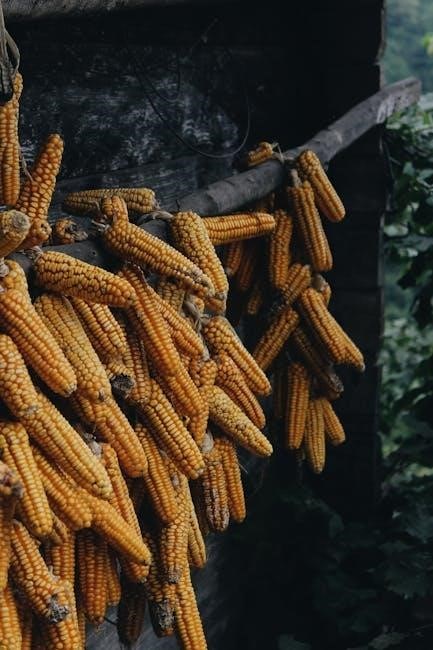
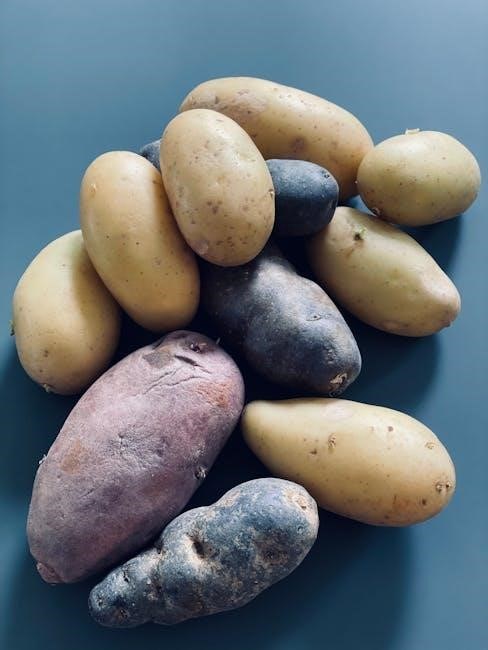
Type 2 resistant starch is found in naturally raw grains and starches, like uncooked potatoes, green bananas, and high-amylose cornstarch. These foods possess a granular structure that resists digestion in the small intestine due to their inherent physical properties.
Unlike Type 1, this resistance isn’t due to cell walls but the starch’s own crystalline structure. Consuming these foods raw isn’t generally palatable or recommended for most, but high-amylose cornstarch is an exception, often used as a supplement.
Detailed PDF guides on resistant starch foods often include cautions regarding raw starch consumption, emphasizing the importance of proper preparation methods. These resources also detail the specific amylose content of various starches, helping individuals identify potent sources of Type 2 resistance.
Understanding this type is crucial for optimizing dietary strategies and maximizing gut health benefits.
Type 3: Retrograded Starch
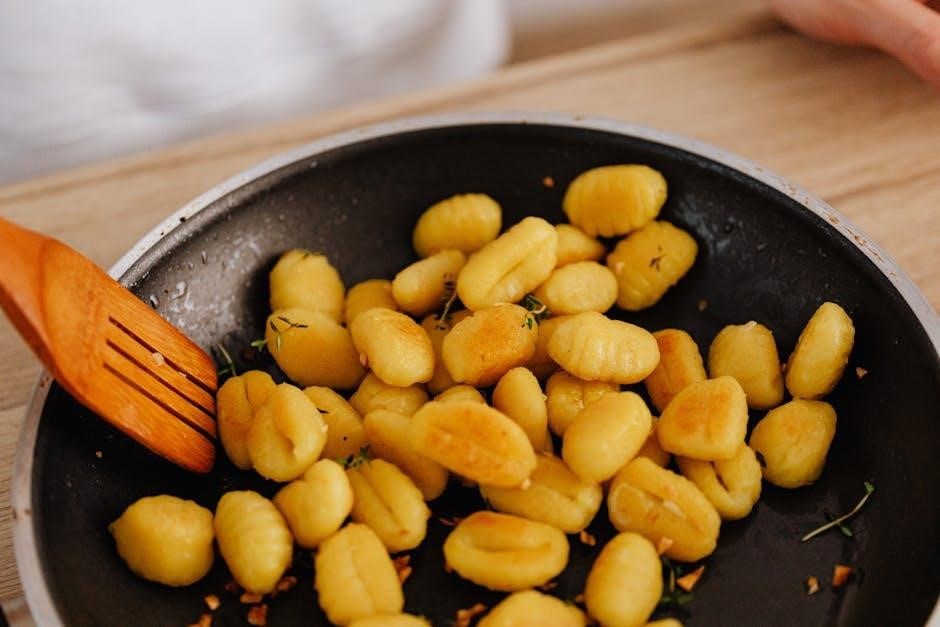
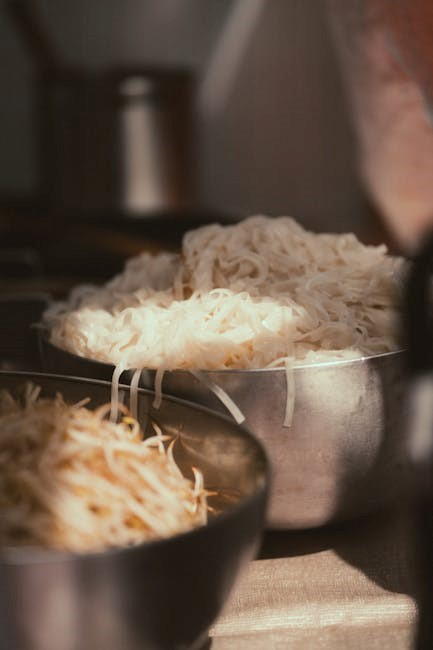
Type 3 resistant starch forms when starchy foods are cooked and then cooled. This process, known as retrogradation, causes the starch molecules to realign and crystallize, becoming resistant to enzymatic digestion in the small intestine. Think cooled potatoes, rice, or even pasta!
The PDF guides detailing resistant starch foods emphasize the importance of this cooling step. Reheating these foods doesn’t eliminate the resistant starch entirely, though some reduction may occur. This type is particularly relevant given common cooking practices.
Retrogradation effectively transforms digestible starch into a fiber-like substance, offering benefits for gut health and blood sugar control. The degree of retrogradation depends on factors like starch content and cooling time.
Understanding retrogradation is key to maximizing the benefits of everyday foods and optimizing your resistant starch intake.
Resistant Starch and Gut Health
Resistant starch acts as a prebiotic fiber, meaning it feeds the beneficial bacteria in your large intestine. This fermentation process produces short-chain fatty acids (SCFAs), like butyrate, which are crucial for gut health. A comprehensive PDF on resistant starch foods highlights this connection.
SCFAs nourish colon cells, reduce inflammation, and strengthen the gut barrier, potentially preventing “leaky gut.” A healthy gut microbiome, fostered by resistant starch, is linked to improved immunity and overall well-being.
The guides emphasize incorporating foods like legumes, cooled potatoes, and oats to promote a diverse and thriving gut ecosystem. TikTok trends showcasing chilled pasta and reheated rice align with this principle.
Prioritizing resistant starch intake is a proactive step towards a healthier gut and a stronger foundation for overall health, as detailed in available resources.
Resistant Starch and Weight Management
Resistant starch can play a significant role in weight management by increasing feelings of fullness and reducing overall calorie intake. A downloadable PDF guide details how to strategically incorporate resistant starch-rich foods into your diet.
Because it resists digestion in the small intestine, resistant starch doesn’t contribute to blood sugar spikes, promoting more stable energy levels and reducing cravings. This can be particularly helpful when facing seemingly impossible weight loss goals.
Foods like cooled potatoes, rice, and green bananas, outlined in the resource, offer a practical way to boost resistant starch consumption. The guide also explains how cooking methods impact starch content.
By promoting satiety and improving metabolic health, resistant starch supports a sustainable approach to weight management, moving beyond restrictive diets and towards long-term wellness.
Resistant Starch and Liver Health
Emerging research highlights a compelling link between resistant starch intake and improved liver health, detailed within a comprehensive PDF guide. A recent study showcased a nearly 50% reduction in liver fat with increased resistant starch consumption.
This benefit stems from resistant starch’s ability to positively influence the gut microbiome, reducing inflammation and improving metabolic function – key factors in non-alcoholic fatty liver disease.
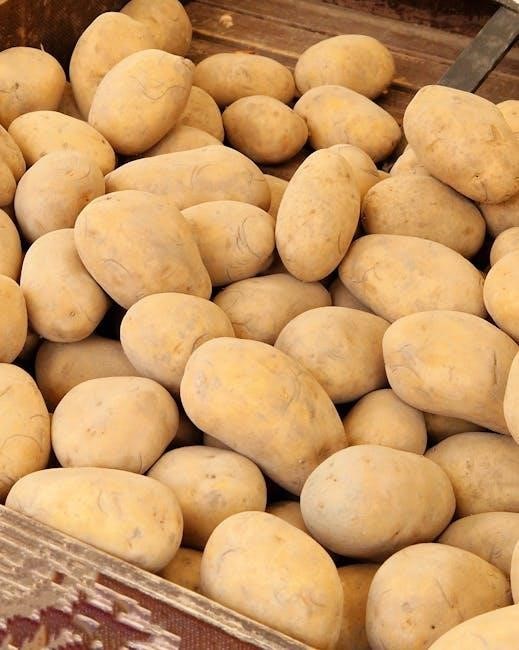
The downloadable resource lists foods abundant in resistant starch, such as legumes and cooled potatoes, offering practical dietary strategies for liver support. It emphasizes that carbohydrates aren’t inherently detrimental.
Incorporating these foods, as outlined in the guide, can be a proactive step towards safeguarding liver health and overall well-being, potentially preventing certain diseases through dietary adjustments.

Top Resistant Starch Foods
Our detailed PDF lists potent sources like potatoes, rice, bananas (green), legumes, oats, and whole grains, maximizing benefits through strategic preparation methods.
Discover how cooling and reheating significantly impacts starch resistance, enhancing gut health and metabolic function, as detailed in the downloadable guide.
Cooling and Reheating for Increased Resistant Starch
The process of cooling cooked starchy foods is pivotal in boosting their resistant starch content, a concept gaining traction on platforms like TikTok. Our comprehensive PDF guide details how this simple technique transforms digestible starches into a form that nourishes gut bacteria.
This transformation, known as retrogradation, involves the recrystallization of starches after cooking and subsequent cooling. The PDF explains that cooling doesn’t just preserve resistant starch; it actively creates it. Reheating these cooled foods, particularly rice and potatoes, further enhances this effect, solidifying the crystalline structure.
The guide provides specific recommendations for optimal cooling times and reheating methods to maximize resistant starch levels. It emphasizes that white rice, often associated with blood sugar spikes, can become a gut-friendly food through proper preparation. Understanding retrogradation, as outlined in the PDF, empowers you to unlock the full health potential of everyday carbohydrates.
The Science of Retrogradation
Our detailed PDF guide delves into the fascinating science of retrogradation, the key process behind increasing resistant starch in foods. Retrogradation isn’t simply cooling; it’s a structural change within the starch molecules themselves, explained with clear diagrams within the downloadable resource.
Initially, during cooking, starch granules absorb water and swell. As the food cools, these granules begin to realign and crystallize, forming a more ordered, resistant structure. This crystallization makes the starch indigestible in the small intestine, allowing it to reach the large intestine where it feeds beneficial gut bacteria.
The PDF clarifies that the rate of retrogradation varies depending on the type of starch and the food matrix. Reheating further encourages this process, strengthening the crystalline structure. Understanding this science, as presented in the guide, allows for informed dietary choices to optimize gut health and potentially manage weight and liver health.
Potatoes: A Resistant Starch Powerhouse
Our comprehensive PDF guide highlights potatoes as a standout source of resistant starch, particularly when prepared correctly. While often viewed negatively, potatoes, especially when cooled after cooking, offer significant benefits for gut health and metabolic function, as detailed within the downloadable resource.
The guide explains that the type of potato matters; waxy varieties generally yield higher levels of resistant starch upon cooling than floury types. Crucially, the cooling process is paramount – allowing cooked potatoes to cool completely in the refrigerator triggers retrogradation, dramatically increasing their resistant starch content.
Reheating cooled potatoes further enhances this effect. The PDF provides specific recommendations for cooking and cooling methods to maximize resistant starch levels, alongside practical tips for incorporating this powerhouse food into a balanced diet. Discover how to unlock the full potential of potatoes for improved wellbeing.
Rice: White vs. Brown & Cooking Methods
Our detailed PDF guide explores the nuances of rice and its resistant starch content, comparing white and brown varieties. While brown rice naturally contains more fiber, both types can be optimized for resistant starch production through specific cooking techniques, as outlined in the downloadable resource.
The guide emphasizes that cooking methods significantly impact resistant starch levels. Soaking rice before cooking, rinsing it thoroughly, and boiling in excess water all contribute to a higher resistant starch yield. However, the most crucial step is cooling the cooked rice.
Allowing cooked rice to cool completely in the refrigerator triggers retrogradation, substantially increasing its resistant starch content. Reheating the cooled rice further enhances this effect. The PDF provides precise instructions and recommendations for maximizing resistant starch in rice, supporting gut health and blood sugar control.
Soaking, Rinsing, and Boiling Rice
Our comprehensive PDF guide details the critical role of preparation techniques in maximizing resistant starch in rice. It explains how soaking rice before cooking disrupts the starch granules, making them more accessible for retrogradation later. This initial step, fully detailed in the downloadable resource, is foundational.
Rinsing rice is equally important, removing excess surface starch that can hinder resistant starch formation. The guide provides clear instructions on the optimal rinsing duration and water temperature. Following rinsing, boiling rice in a generous amount of water further aids in the process.
The PDF emphasizes that using excess water leaches out digestible starches, concentrating the resistant starch potential. Precise water-to-rice ratios are provided for various rice types. These seemingly simple steps, when combined with cooling, dramatically increase the health benefits of this staple grain.
Bananas: Green vs. Ripe
Our detailed PDF guide highlights the significant difference in resistant starch content between green and ripe bananas. Green, or unripe, bananas are packed with resistant starch, acting as a prebiotic fiber that nourishes beneficial gut bacteria. The downloadable resource visually demonstrates this difference, showcasing the starch composition at various ripeness stages.
As bananas ripen, the resistant starch converts into sugars, diminishing their health benefits related to gut health and blood sugar control. The PDF provides a simple chart indicating the optimal firmness for maximizing resistant starch intake.
It also addresses common concerns about the taste and texture of green bananas, offering practical tips for incorporating them into smoothies or cooking them similarly to potatoes. Understanding this distinction, fully explained in the guide, is key to leveraging bananas for their resistant starch properties.
Legumes: Beans, Lentils, and Peas
Our comprehensive PDF guide details how legumes – encompassing beans, lentils, and peas – stand out as exceptional sources of resistant starch. These plant-based powerhouses not only deliver substantial protein but also contribute significantly to a healthy gut microbiome thanks to their unique starch structure.
The downloadable resource provides a detailed breakdown of resistant starch levels across various legume types, including kidney beans, chickpeas, and black lentils. It explains how cooking methods, such as boiling, can influence the final resistant starch content.
Furthermore, the PDF offers practical advice on incorporating legumes into your diet, suggesting recipes and portion sizes to optimize benefits. It also addresses potential digestive concerns and provides tips for minimizing gas, ensuring a comfortable and nutritious experience.
Oats: A Good Source of Resistant Starch
Our detailed PDF guide highlights oats as a surprisingly effective source of resistant starch, offering a gentle introduction for those new to incorporating this beneficial carbohydrate into their diet. While not as potent as cooled potatoes or green bananas, oats contribute meaningfully to overall intake.
The downloadable resource explains how the type of oat – steel-cut, rolled, or instant – impacts resistant starch levels, with less processed varieties generally offering more. It details how cooking and cooling oats, similar to rice and potatoes, enhances retrogradation and boosts resistant starch content.
The PDF also provides practical suggestions for enjoying oats, from overnight oats (a fantastic way to maximize resistant starch) to incorporating them into baked goods. It addresses potential sensitivities and offers guidance on portion control for optimal digestive health and weight management.
Whole Grains: Barley and Others

Our comprehensive PDF guide expands beyond oats, detailing how various whole grains contribute to a resistant starch-rich diet. Barley emerges as a standout, boasting significant levels even without extensive cooling processes, making it a convenient option for daily inclusion.
The downloadable resource provides a comparative analysis of different whole grains – including sorghum, millet, and whole wheat – outlining their resistant starch content and optimal preparation methods. It emphasizes that less processed grains generally retain more of this beneficial starch.
The PDF also clarifies how cooking techniques, like boiling versus steaming, can influence resistant starch levels. It offers practical meal ideas incorporating these grains, alongside guidance on portion sizes to support gut health, weight management, and overall well-being. Discover how to maximize benefits!
Pasta: Cooling for Maximum Benefit
Our detailed PDF guide highlights pasta as a surprisingly effective source of resistant starch, but with a crucial caveat: cooling is key! The document explains the science of retrogradation, detailing how cooking pasta and then allowing it to cool significantly increases its resistant starch content.
The downloadable resource provides specific recommendations for pasta types – exploring differences between varieties like whole wheat and traditional semolina – and optimal cooling durations. It addresses the TikTok trend of chilled pasta, validating its benefits and offering practical tips.
Furthermore, the PDF includes recipe suggestions utilizing cooled pasta, emphasizing its role in supporting gut health and potentially aiding weight management. It clarifies that reheating cooled pasta doesn’t negate the resistant starch gains, offering a convenient dietary strategy.
Other Foods Containing Resistant Starch
Our comprehensive PDF guide extends beyond commonly known sources, detailing a wider range of foods contributing to resistant starch intake. It specifically highlights unripe fruits, such as green bananas, as potent sources, explaining the correlation between ripeness and starch composition.
The downloadable resource also categorizes certain vegetables, including peas, noting their contribution to overall resistant starch consumption; It emphasizes that the amount varies depending on preparation methods, encouraging mindful cooking techniques.
The PDF further explores lesser-known sources, providing a complete overview for those seeking to maximize their intake. It acknowledges the evolving research on resistant starch, promising updates as new findings emerge, and offers practical advice for incorporating these foods into a balanced diet.
Unripe Fruits
Our detailed PDF guide emphasizes that unripe fruits are a significant, often overlooked, source of resistant starch. Specifically, green (unripe) bananas take center stage, with a dedicated section explaining their exceptionally high resistant starch content compared to their ripe counterparts.
The PDF visually illustrates the transformation occurring as bananas ripen, showcasing the conversion of resistant starch into simple sugars. It provides a clear understanding of why choosing greener bananas maximizes the benefits for gut health and metabolic function.
Beyond bananas, the guide briefly touches upon other unripe fruits, noting their potential contribution, though to a lesser extent. It stresses the importance of understanding the starch-ripening process and encourages readers to explore incorporating these less-sweet options into their diets for optimal resistant starch intake.
Certain Vegetables
Our comprehensive PDF guide details how specific vegetables contribute to a resistant starch-rich diet, though generally in smaller quantities than fruits like green bananas. Peas are highlighted as a notable vegetable source, with a dedicated section outlining their resistant starch profile.
The PDF includes a table comparing the resistant starch content of various cooked vegetables, providing a quick reference for informed food choices. It clarifies that cooking methods can influence the final resistant starch levels, emphasizing the importance of preparation techniques.
While not as prominent as other sources, the guide encourages incorporating a variety of vegetables into meals to benefit from their overall nutritional value and modest resistant starch contribution. It also notes ongoing research exploring the potential of specific vegetable varieties to yield higher resistant starch content.
Creating a Resistant Starch Rich Diet
Our downloadable PDF provides practical strategies for incorporating resistant starch into daily meals, utilizing foods like cooled potatoes, rice, and legumes for optimal gut health.
Incorporating Resistant Starch into Meals
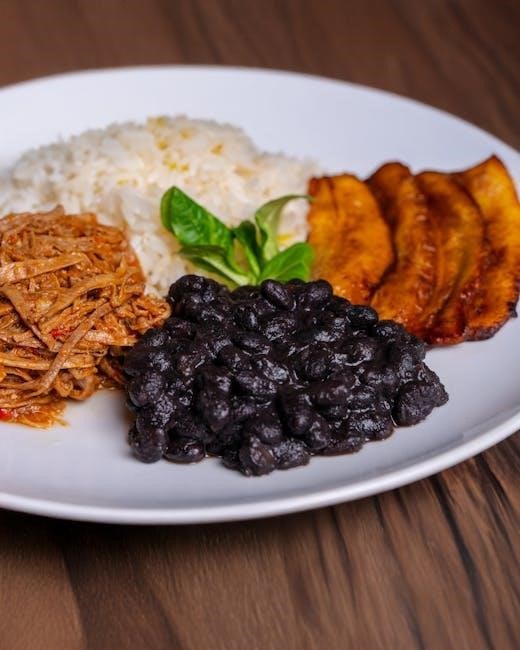
Successfully integrating resistant starch into your diet is surprisingly simple, and our comprehensive PDF guide details numerous approaches. Begin by consciously including legumes – beans, lentils, and peas – in several meals each week. Consider swapping white rice for brown, and crucially, allow it to cool after cooking to maximize its resistant starch content.
Potatoes, especially when cooled after boiling or steaming, become a fantastic source. Don’t shy away from slightly green bananas; they contain higher levels of resistant starch than their ripe counterparts. Even oats contribute, making a hearty breakfast a beneficial choice.
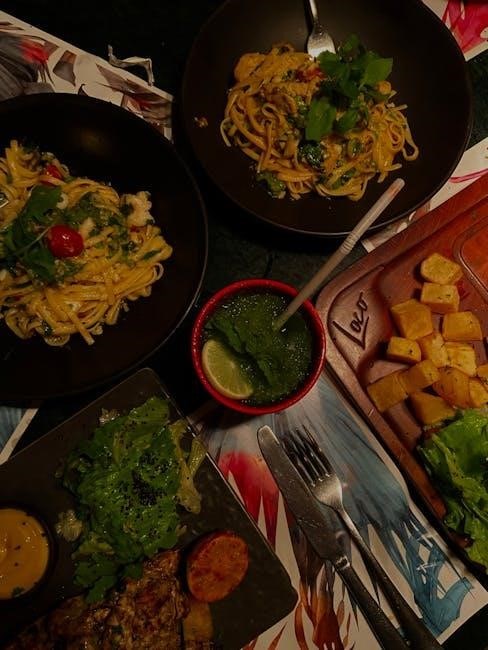
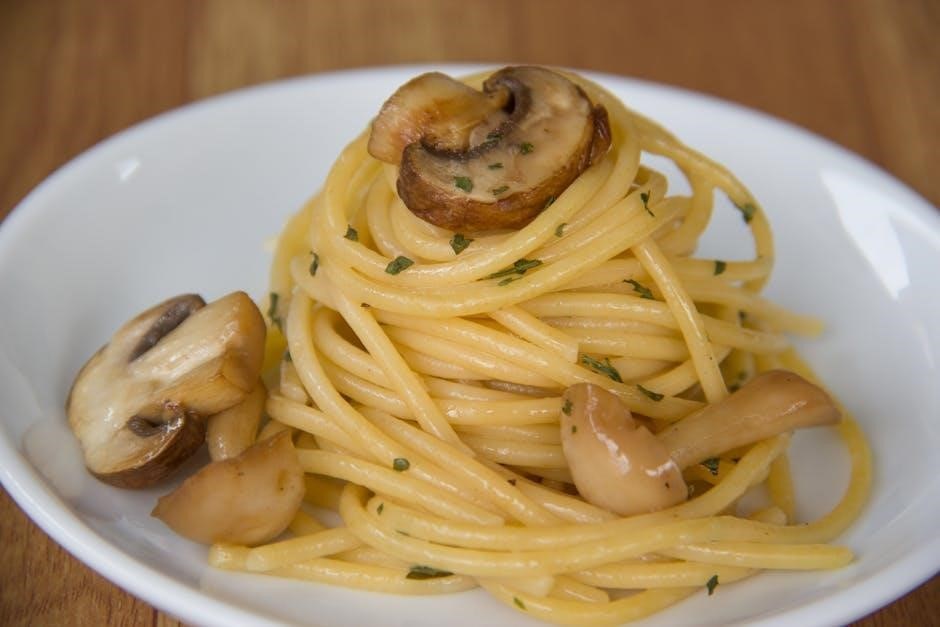
Experiment with cooling cooked pasta before serving, a trick gaining popularity online. Remember, retrogradation – the process of starch crystallization upon cooling – is key to unlocking these benefits. The PDF offers meal plans and recipes designed to seamlessly incorporate these strategies, transforming everyday foods into gut-health powerhouses.
Potential Side Effects & Considerations
While generally safe, rapidly increasing resistant starch intake can lead to temporary digestive discomfort, such as bloating and gas. Our detailed PDF guide emphasizes a gradual approach to minimize these effects. Start with small portions and slowly increase consumption over several weeks, allowing your gut microbiome to adapt.
Individuals with pre-existing digestive conditions, like Irritable Bowel Syndrome (IBS), should exercise particular caution and consult with a healthcare professional before significantly altering their starch intake. Adequate hydration is also crucial, as resistant starch absorbs water in the digestive system.
The PDF further clarifies that resistant starch may affect blood sugar control, potentially requiring adjustments to medication for individuals with diabetes. It’s important to monitor your body’s response and adjust your diet accordingly, prioritizing a balanced and personalized approach to nutrition.
Resources for Further Information (PDF Downloads)
Access our comprehensive PDF guide, “Resistant Starch Foods: A Complete List & Guide to Maximizing Benefits,” offering an in-depth exploration of resistant starch sources and their impact on health. This downloadable resource details cooking methods, serving sizes, and potential benefits, as discussed in recent studies.
Downloadable charts within the PDF provide a quick reference for identifying high-resistant starch foods, categorized by food group – from legumes and grains to fruits and vegetables. We’ve also included a section on retrogradation and its role in increasing resistant starch content.
Additional PDF resources include a meal planning template designed to incorporate resistant starch-rich foods and a FAQ section addressing common concerns. Links to peer-reviewed research articles and reputable websites are also provided for further exploration of this evolving field of nutrition.