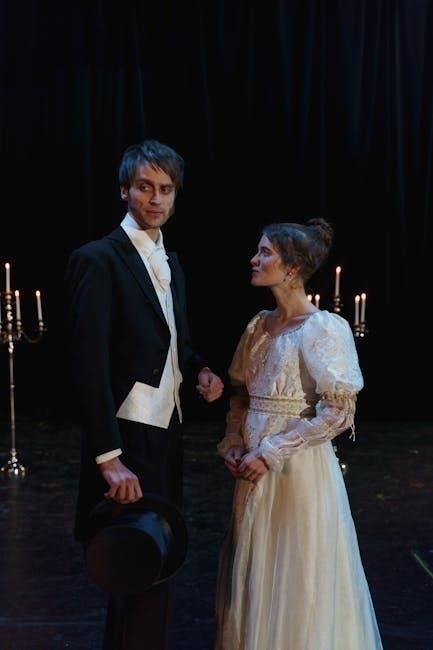
The Crucible Act 1: A Comprehensive Exploration
Act I unfolds in Reverend Parris’s home‚ 1692 Salem‚ Massachusetts‚ initiating a crisis with Betty’s mysterious illness and fervent prayers surrounding her condition․

The scene establishes a tense atmosphere‚ hinting at underlying societal anxieties and the impending accusations that will soon grip the community․
Historical Context & Setting
The Crucible is deeply rooted in the historical backdrop of the Salem witch trials of 1692‚ a period of intense religious fervor and social paranoia in the Massachusetts Bay Colony․ Arthur Miller’s play‚ however‚ transcends a simple retelling of these events‚ using the trials as an allegory for McCarthyism‚ the anti-communist “witch hunts” of the 1950s․
The setting is crucial: a small‚ isolated Puritan community where strict religious beliefs and social hierarchies dictated daily life․ The play primarily begins within the confines of Reverend Samuel Parris’s home‚ specifically his daughter Betty’s bedroom‚ symbolizing the private‚ yet rapidly escalating‚ crisis․ This domestic space quickly expands to encompass the wider community as accusations spread․
Springtime in 1692 provides a contrasting backdrop to the unfolding darkness‚ hinting at a season of renewal disrupted by fear and suspicion․ The provincial setting of Massachusetts‚ far removed from the centers of power‚ fostered a sense of vulnerability and isolation‚ contributing to the hysteria that gripped Salem Village․
The Salem Witch Trials of 1692

The Salem witch trials were a series of hearings and prosecutions of people accused of witchcraft in the colonies of Massachusetts between February 1692 and May 1693․ The trials originated in Salem Village (now Danvers‚ Massachusetts) and were sparked by the strange behavior of a group of young women‚ including Reverend Parris’s daughter‚ Betty․
These accusations quickly escalated‚ fueled by existing religious anxieties‚ land disputes‚ and personal grudges․ Spectral evidence – testimony based on dreams and visions – was readily accepted‚ leading to the arrest and imprisonment of over 200 people․ Nineteen were hanged‚ and several others died in prison․
The trials represent a dark chapter in American history‚ demonstrating the dangers of mass hysteria‚ false accusations‚ and the abuse of power․ Miller’s The Crucible draws heavily from these events‚ exploring the psychological and social forces that contributed to the tragedy‚ and serving as a cautionary tale about the fragility of justice․
Reverend Parris and His Household
Reverend Samuel Parris‚ a minister in Salem‚ Massachusetts‚ is a central figure in the opening of The Crucible․ He’s portrayed as a somewhat insecure and authoritarian man‚ deeply concerned with his reputation and position within the community․ His household consists of his daughter‚ Betty‚ his niece‚ Abigail Williams‚ and Tituba‚ an enslaved woman from Barbados․
The play begins with Parris kneeling beside Betty’s bed‚ anxiously praying for her recovery․ Betty is mysteriously ill‚ exhibiting strange behavior that sparks fears of witchcraft․ Abigail‚ a key member of the household‚ is revealed to have a significant influence over the events unfolding․
The dynamic within Parris’s household is fraught with tension and secrets․ Tituba’s presence introduces an element of the “other‚” and Abigail’s character hints at hidden desires and a willingness to manipulate situations to her advantage․ This household serves as the epicenter of the unfolding crisis․
The Initial Illness of Betty Parris
Betty Parris’s mysterious illness is the catalyst for the events in Act I of The Crucible․ She is found in a strange‚ catatonic state‚ unable to move or speak‚ sparking immediate fear and speculation amongst the Salem villagers․ Her condition is initially perceived as a medical ailment‚ but quickly becomes associated with the supernatural․
Reverend Parris’s frantic prayers and attempts to diagnose her illness highlight the prevailing anxieties surrounding witchcraft in the Puritan community․ The inability to explain Betty’s condition rationally fuels the growing hysteria and suspicion․ Her illness isn’t simply physical; it’s a symptom of a deeper societal unrest․
The nature of Betty’s ailment remains ambiguous‚ leaving room for interpretation and contributing to the escalating panic․ It serves as a focal point for the community’s fears and ultimately triggers the witch hunt that consumes Salem․
Act 1‚ Scene 1: Parris’s House ⸺ The Beginning of the Crisis
Scene 1 unfolds within the confines of Reverend Parris’s home‚ immediately establishing a claustrophobic and tense atmosphere․ The setting – a small bedroom – emphasizes the intimacy of the situation while simultaneously foreshadowing the wider societal implications to come․ The scene opens with Parris kneeling beside his daughter‚ Betty‚ consumed by worry and prayer over her inexplicable illness․
This initial setting is crucial as it introduces key characters – Parris‚ Tituba‚ and Abigail – and sets the stage for the unfolding drama․ The dialogue reveals Parris’s anxieties about his reputation and the potential scandal surrounding his daughter’s condition․
The presence of Tituba‚ Parris’s enslaved woman‚ adds another layer of complexity‚ hinting at the racial and social tensions within the community․ This scene is the undeniable genesis of the crisis‚ marking the beginning of the Salem witch trials․

Reverend Parris’s Concerns and Prayers
Reverend Parris’s initial actions in Act 1 are dominated by profound anxiety and fervent prayer‚ revealing a character deeply concerned with his reputation and position within Salem․ His prayers aren’t solely for Betty’s health‚ but also stem from fear of public scrutiny and the potential damage to his authority․
He repeatedly questions Abigail about the events preceding Betty’s illness‚ suspecting witchcraft and desperately seeking to understand what transpired in the woods․ Parris’s prayers are interspersed with moments of despair and confusion‚ demonstrating his inability to reconcile his religious beliefs with the unsettling events unfolding before him․

This internal conflict highlights his self-preservation and establishes him as a somewhat weak and insecure figure‚ more worried about his standing than genuine spiritual guidance․ His constant questioning and anxious demeanor set a tone of suspicion and fear․
Tituba’s Presence and Role
Tituba‚ Reverend Parris’s enslaved woman‚ emerges as a significant figure in the opening act‚ representing an outsider and a convenient scapegoat for the unfolding hysteria․ Described as being in her forties‚ she is immediately subjected to intense questioning regarding her involvement in the events surrounding Betty’s illness․
Parris pressures her to confess to witchcraft‚ hoping to find a rational explanation for Betty’s condition and quell the growing fear within the community․ Tituba‚ initially hesitant‚ is eventually coerced into admitting to practicing witchcraft‚ fueled by the girls’ increasingly frantic accusations and her own vulnerability as an enslaved person․
Her confession marks a turning point‚ validating the girls’ claims and initiating the widespread witch hunt․ Tituba’s role highlights the themes of prejudice‚ power dynamics‚ and the dangers of societal scapegoating present throughout the play․
Abigail Williams is introduced as a strikingly beautiful and manipulative young woman‚ central to the unfolding tragedy․ In Act I‚ she’s revealed to have been dismissed from the Proctor household‚ fueling her resentment and desire for revenge against Elizabeth Proctor․
Abigail quickly establishes herself as a leader among the afflicted girls‚ orchestrating their accusations and controlling the narrative surrounding the alleged witchcraft․ She demonstrates a remarkable capacity for deception‚ skillfully manipulating others to achieve her own selfish goals․
Her character is defined by a potent mix of ambition‚ jealousy‚ and a desperate need for power․ Abigail’s willingness to falsely accuse others‚ driven by her unrequited love for John Proctor‚ sets in motion the devastating events of the play․

Act 1‚ Scene 2: The Proctor Home ⸺ A Glimpse into Another Life
Scene 2 shifts the setting to the Proctor home‚ offering a stark contrast to the hysteria brewing in Reverend Parris’s household․ We are introduced to John and Elizabeth Proctor‚ a couple grappling with unspoken tensions and a strained marriage․
The scene reveals a sense of quiet domesticity‚ with Elizabeth engaged in household tasks and John returning from work․ However‚ beneath the surface lies a palpable distance between them‚ stemming from John’s past infidelity with Abigail Williams․
This glimpse into the Proctors’ life highlights the complexities of their relationship and foreshadows the challenges they will face as the witch trials escalate․ It establishes John as a man burdened by guilt and Elizabeth as a woman struggling to trust․
John and Elizabeth Proctor’s Relationship
The dynamic between John and Elizabeth Proctor is central to Act 1‚ portrayed as a marriage fractured by John’s past affair with Abigail Williams․ Elizabeth is reserved and cautious‚ harboring a deep-seated hurt and struggling to fully trust John again․

John‚ while seemingly attempting reconciliation‚ carries a weight of guilt and defensiveness․ Their interactions are marked by subtle accusations and a lack of open communication‚ creating a tense and uncomfortable atmosphere within their home․
This strained relationship serves as a microcosm of the larger societal issues of guilt‚ forgiveness‚ and hypocrisy explored in the play․ Their attempts to navigate their personal struggles are soon overshadowed by the escalating crisis in Salem․
The Arrival of Reverend Hale
Reverend Hale’s arrival in Salem marks a turning point in Act 1‚ as he is summoned to investigate the possibility of witchcraft․ He presents himself as an expert in discerning demonic activity‚ bringing with him books and a sense of intellectual authority․
Hale initially approaches the situation with a scientific mindset‚ seeking tangible evidence to confirm or deny the presence of witchcraft․ He questions the afflicted girls and attempts to understand the nature of their supposed possession‚ employing a methodical and analytical approach․
However‚ his presence inadvertently fuels the hysteria‚ as his expertise lends credibility to the accusations and validates the fears of the community․ Hale’s arrival signifies the introduction of external authority and the escalation of the crisis․
The Examination of Abigail and Other Girls
The examination of Abigail Williams and the other girls by Reverend Hale and Reverend Parris forms a central part of Act 1‚ revealing the dynamics of power and manipulation at play․ Hale attempts to discern the truth through questioning‚ hoping to identify the source of the girls’ affliction․
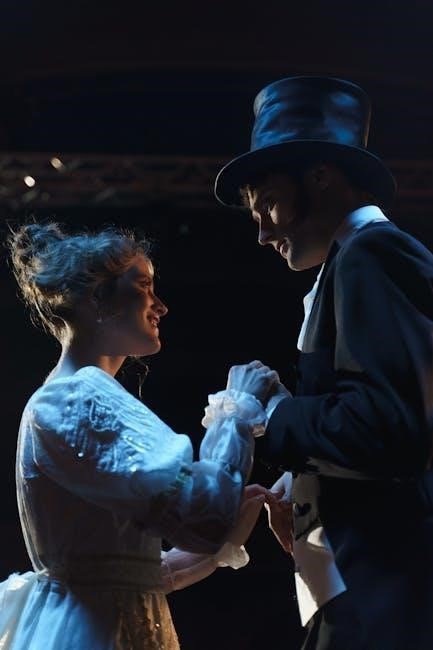
Abigail skillfully manipulates the situation‚ feigning piety and directing accusations towards innocent individuals․ The other girls follow her lead‚ mimicking her behavior and contributing to the growing hysteria․ This orchestrated performance convinces Hale and Parris of the presence of witchcraft․
The examination highlights Abigail’s cunning and her willingness to exploit the fears of the community for personal gain‚ setting the stage for the escalating accusations and the tragic events to come․
Abigail’s Accusations Begin
Abigail Williams initiates a cascade of accusations‚ dramatically shifting the course of events in Act 1․ Initially hesitant‚ she soon seizes control‚ naming Tituba as the first to compel her and the other girls to witchcraft․ This accusation‚ fueled by fear and a desire to deflect blame‚ marks a turning point in the play․
Following Tituba’s confession‚ Abigail and the other girls escalate their accusations‚ naming Sarah Good and Sarah Osborne as additional witches․ These women‚ marginalized members of the community‚ become easy targets for the girls’ fabricated claims․
Abigail’s accusations are not merely reactive; they are calculated maneuvers to protect herself and gain power‚ demonstrating her manipulative nature and foreshadowing the widespread hysteria that will consume Salem․
The Role of Fear and Hysteria

Fear and hysteria are potent forces driving the events of Act 1‚ rapidly escalating the crisis in Salem․ Reverend Parris’s anxieties about his daughter’s illness and reputation‚ coupled with the community’s deep-seated religious beliefs‚ create a fertile ground for panic․
The girls’ bizarre behavior‚ initially attributed to natural causes‚ quickly becomes interpreted as evidence of witchcraft‚ fueled by rumors and superstition․ This interpretation ignites widespread fear‚ as residents begin to suspect one another of demonic influence․
Abigail Williams expertly exploits this fear‚ manipulating the situation to her advantage․ The escalating accusations and the girls’ increasingly dramatic displays of “affliction” contribute to a collective hysteria‚ overriding reason and justice․
Tituba’s Confession and its Impact
Tituba’s confession marks a pivotal moment in Act 1‚ dramatically escalating the witch hunt in Salem․ Under intense pressure from Reverend Hale and fearing punishment‚ Tituba initially denies involvement but eventually confesses to consorting with the devil and engaging in witchcraft․
Her confession‚ vividly detailing visions of the devil and encounters with other witches‚ is largely fabricated to appease her accusers and save herself․ However‚ it has a profound impact on the other girls‚ who seize upon her example and begin to mimic her behavior‚ adding their own fantastical accusations․
Tituba’s confession validates the existing fears and suspicions‚ providing a seemingly credible account that fuels the hysteria․ It empowers Abigail Williams and the other girls to continue their accusations‚ knowing they will be believed and protected․

The Girls’ Behavior and Imitation
Throughout Act 1‚ the girls’ behavior is characterized by a disturbing pattern of imitation and manipulation‚ initially sparked by Tituba’s coerced confession․ Following Tituba’s dramatic recounting of spectral visions and devilish encounters‚ Abigail and the other girls begin to mimic her‚ naming names and claiming to see the same specters․
This imitation isn’t merely playful; it’s a calculated strategy to deflect attention from their own illicit activities in the forest and gain power within the community․ They revel in the attention and control they wield‚ escalating their accusations with increasing boldness․
The girls’ synchronized fits and pronouncements create an atmosphere of chaos and fear‚ solidifying the belief in witchcraft and further fueling the hysteria gripping Salem․ Their collective performance is a chilling display of youthful manipulation and the dangers of unchecked power․
The Spread of Accusations
As Act 1 progresses‚ the initial accusations leveled by Abigail and the girls rapidly escalate‚ spreading like wildfire through Salem․ Tituba’s confession acts as a catalyst‚ emboldening the girls to name more and more individuals they claim to have seen with the Devil․
Initially‚ the accusations target marginalized members of the community – Tituba herself‚ Sarah Good‚ and Sarah Osborne – individuals with limited social standing and little ability to defend themselves․ However‚ the scope of the accusations soon widens‚ threatening to engulf respected members of society․
The girls’ accusations are fueled by personal grudges‚ petty jealousies‚ and a desire for revenge‚ demonstrating the destructive power of unchecked accusations and the ease with which fear can manipulate public opinion․ This rapid spread of accusations sets the stage for the escalating tragedy to come․
Character Analysis: Key Figures in Act 1
Act 1 introduces pivotal characters whose motivations and flaws drive the play’s central conflicts․ Reverend Parris emerges as a self-concerned figure‚ prioritizing his reputation above all else‚ fueling the hysteria to deflect scrutiny․ Abigail Williams is revealed as manipulative and vengeful‚ wielding power through deceit and leveraging the girls’ fear․
John Proctor stands out as a man of integrity grappling with a past transgression‚ embodying the struggle between personal morality and societal expectations․ Tituba‚ initially a vulnerable figure‚ succumbs to pressure and offers a false confession‚ highlighting the dangers of coercion․
Reverend Hale’s arrival signifies the introduction of external authority‚ initially believing in the possibility of witchcraft but ultimately questioning the proceedings․ These characters‚ established in Act 1‚ lay the foundation for the unfolding drama and thematic exploration․
John Proctor: Integrity and Conflict
In Act 1‚ John Proctor is presented as a respected‚ yet conflicted‚ farmer․ He embodies moral complexity‚ immediately establishing himself as a man of principle who values truth and independence․ However‚ his past affair with Abigail Williams casts a shadow over his character‚ creating internal turmoil and vulnerability to manipulation․
Proctor’s initial reluctance to fully engage with the unfolding events stems from his desire to protect his reputation and conceal his sin․ He challenges Reverend Hale’s authority‚ questioning the validity of the accusations and demonstrating a pragmatic skepticism․
His interactions with Abigail reveal a lingering connection and a desperate attempt to expose her deceit․ This internal conflict – between his desire for redemption and the fear of exposure – defines his character arc and foreshadows the difficult choices he will face․
Abigail Williams: Manipulation and Desire
Abigail Williams‚ in Act 1‚ is powerfully introduced as a manipulative and vengeful figure․ She’s a master of deception‚ skillfully orchestrating the events surrounding the girls’ illness to deflect attention from her own transgressions – specifically‚ her involvement in forbidden dances in the forest․
Driven by a consuming desire for John Proctor‚ Abigail uses the hysteria to her advantage‚ falsely accusing Elizabeth Proctor in a calculated attempt to eliminate her romantic rival․ Her accusations are delivered with feigned innocence and religious fervor‚ effectively exploiting the community’s fears․
Abigail’s character is marked by a ruthless ambition and a willingness to sacrifice others to achieve her goals․ She quickly assumes a leadership role among the girls‚ controlling their behavior and directing their accusations‚ demonstrating a chilling capacity for control․
Reverend Hale: The Expert Arrives
Reverend Hale’s arrival in Act 1 signifies a shift towards a more formal and ostensibly scientific approach to diagnosing the perceived witchcraft․ He is summoned from Beverly to assess the situation in Salem‚ presenting himself as an expert in detecting demonic influence․
Initially‚ Hale embodies intellectual confidence and a belief in his own abilities․ He carries numerous books on witchcraft‚ intending to apply rigorous methods to uncover the truth․ However‚ his approach is rooted in the prevailing superstitions of the time‚ accepting spectral evidence as valid proof of guilt․
Hale’s questioning of Abigail and the other girls is methodical‚ yet subtly leading․ He seeks confirmation of his preconceived notions‚ inadvertently encouraging their fabrications․ His presence introduces an air of authority and legitimacy to the proceedings‚ escalating the crisis․
Themes Introduced in Act 1
Act 1 powerfully introduces core themes that resonate throughout The Crucible․ Reputation and social standing are immediately apparent‚ as characters like Parris prioritize their public image above truth and compassion‚ fearing scandal more than genuine concern for his daughter․
Power and authority are explored through Parris’s position and the burgeoning influence of the court․ The girls quickly realize they can wield considerable power through accusations‚ manipulating the adults around them․
The dangers of hysteria are foreshadowed by the escalating fear and paranoia gripping Salem․ The initial illness of Betty and the subsequent accusations create an atmosphere ripe for mass delusion and injustice․ These themes establish the play’s central conflict – the individual versus societal pressures and the fragility of truth․
Reputation and Social Standing
Act 1 vividly demonstrates the paramount importance of reputation in Salem’s rigid Puritan society․ Reverend Parris is deeply concerned with how his family’s troubles will reflect on his position and standing within the community‚ prioritizing his image over genuine care for Betty’s well-being․
The fear of scandal and social ostracism drives many characters’ actions․ Abigail Williams understands the power of reputation and skillfully manipulates it to her advantage‚ knowing accusations can ruin lives․
John Proctor’s internal conflict stems from his past transgression with Abigail and the threat of its exposure‚ which would destroy his good name․ This highlights how societal expectations and the desire for respect heavily influence individual behavior and moral choices within the play’s context․
Power and Authority
Act 1 establishes a clear hierarchy of power within Salem‚ with Reverend Parris wielding significant authority as the spiritual leader․ He attempts to control the narrative surrounding Betty’s illness‚ fearing repercussions for his family and ministry․ However‚ his authority is challenged by the growing influence of the girls and their accusations․
Abigail Williams quickly recognizes and exploits the power dynamics‚ using her influence over the other girls to manipulate situations and deflect blame․ The arrival of Reverend Hale introduces another layer of authority – that of an expert brought in to investigate witchcraft‚ further shifting the balance of power․
The play demonstrates how easily authority can be abused and how fear can empower those seeking to control others‚ setting the stage for the escalating crisis․
The Dangers of Hysteria
Act 1 vividly portrays the nascent stages of mass hysteria gripping Salem‚ fueled by fear of the unknown and religious extremism․ Betty Parris’s inexplicable illness ignites anxieties‚ quickly escalating into accusations of witchcraft as the community seeks explanations․
Abigail Williams expertly manipulates this hysteria‚ leveraging the girls’ collective fear and imagination to accuse innocent individuals․ The adults‚ including Reverend Parris and Reverend Hale‚ contribute to the escalating panic through their own anxieties and interpretations of events․
The play demonstrates how quickly unfounded fears can spiral out of control‚ leading to irrational behavior‚ false accusations‚ and the erosion of reason and justice within a community․
Symbolism in Act 1
Act 1 is rich with symbolism‚ notably the forest representing freedom and rebellion against the rigid Puritan society․ It’s where the girls engage in forbidden activities‚ embodying a space outside societal control and moral constraints․ Conversely‚ Parris’s house symbolizes the oppressive‚ watchful nature of the community and the constraints of religious dogma․
Betty’s illness functions as a potent symbol of a broader societal sickness – the repressed desires‚ hidden resentments‚ and underlying tensions within Salem․ Her catatonic state mirrors the community’s inability to confront its own flaws․
The confessions extracted by Reverend Hale‚ particularly Tituba’s‚ symbolize the power of manipulation and the willingness to sacrifice others to alleviate personal fear and guilt․ These symbols foreshadow the escalating tragedy and the destructive consequences of unchecked paranoia․
The Forest as a Symbol of Freedom and Rebellion
The forest in Act 1 of The Crucible powerfully symbolizes freedom and rebellion‚ standing in stark contrast to the strict‚ controlled environment of Salem village․ It represents a space outside the rigid confines of Puritan law and religious dogma‚ where the girls‚ led by Abigail Williams‚ indulge in forbidden activities like dancing and conjuring spirits․
This transgression isn’t merely playful; it’s an act of defiance against the repressive societal norms․ The darkness of the forest mirrors the hidden desires and unspoken resentments simmering beneath the surface of the community․ It’s a place where societal rules are suspended‚ allowing for a temporary release from the pressures of constant scrutiny․
However‚ the forest’s freedom is ultimately illusory‚ as the consequences of their actions inevitably spill back into Salem‚ unleashing a wave of hysteria and accusations․
Betty’s Illness as a Symbol of Societal Illness
Betty Parris’s mysterious illness in Act 1 transcends a simple medical ailment; it functions as a potent symbol of the deeper societal sickness plaguing Salem․ Her catatonic state‚ initially attributed to supernatural causes‚ reflects the repressed fears‚ anxieties‚ and hidden sins festering within the community․
The inability to diagnose her condition medically highlights the limitations of the Puritan worldview and their reliance on religious explanations for everything․ Betty’s affliction becomes a blank canvas onto which the villagers project their own guilt and paranoia‚ fueling the escalating hysteria․
Her physical state mirrors the moral and spiritual decay within Salem‚ suggesting that the community itself is “ill” with intolerance‚ suspicion‚ and a desperate need for scapegoats․ The focus on Betty’s supposed possession distracts from the real issues—personal grudges and power struggles—that are tearing Salem apart․
Dramatic Irony and Foreshadowing in Act 1
Act 1 of The Crucible masterfully employs dramatic irony and foreshadowing‚ creating a sense of impending doom․ The audience quickly understands the girls’ deception regarding their activities in the forest – dancing and conjuring spirits – while many characters within the play remain oblivious‚ believing in genuine demonic possession․
This disparity between knowledge held by the audience and that of the characters generates suspense and highlights the dangers of unchecked accusations․ Abigail’s manipulative nature and veiled threats foreshadow her central role in orchestrating the escalating crisis․
Reverend Hale’s arrival‚ presented as a solution‚ ironically signals the intensification of the witch hunt․ His expertise‚ intended to discern truth‚ will ultimately validate the false claims․ The initial whispers of witchcraft subtly foreshadow the widespread hysteria and tragic consequences to come‚ establishing a chilling atmosphere throughout the act․